
Cleanliness and safety are non-negotiables in any kitchen, whether you’re running a busy Queensland café or cooking at home. The wrong sink material can trap grime, encourage bacterial growth, and create real food safety headaches before you even realise there’s a problem. It’s exactly why stainless sinks have become the go-to choice across Australian hospitality venues, especially in Queensland where the humidity alone demands materials that hold up under pressure. Their chemical properties, practical design, and effortless cleaning make them one of the smartest investments any kitchen can make.
Key Takeaways
- Stainless steel sinks improve kitchen hygiene by offering a non-porous, easy-to-clean surface that resists bacteria and corrosion.
- Choosing stainless steel sinks helps Queensland kitchens meet strict hygiene regulations and reduces food safety risks.
- Commercial-grade stainless steel, such as 304 and 316, withstands harsh cleaning chemicals and high temperatures, supporting routine disinfection.
- Multi-bowl stainless steel sinks enable efficient separation of raw and cooked foods, preventing cross-contamination.
- Compared to ceramic, granite, or plastic sinks, stainless steel offers greater durability, lower maintenance, and long-lasting cleanliness in busy kitchens.
Understanding Kitchen Hygiene And Safety Challenges
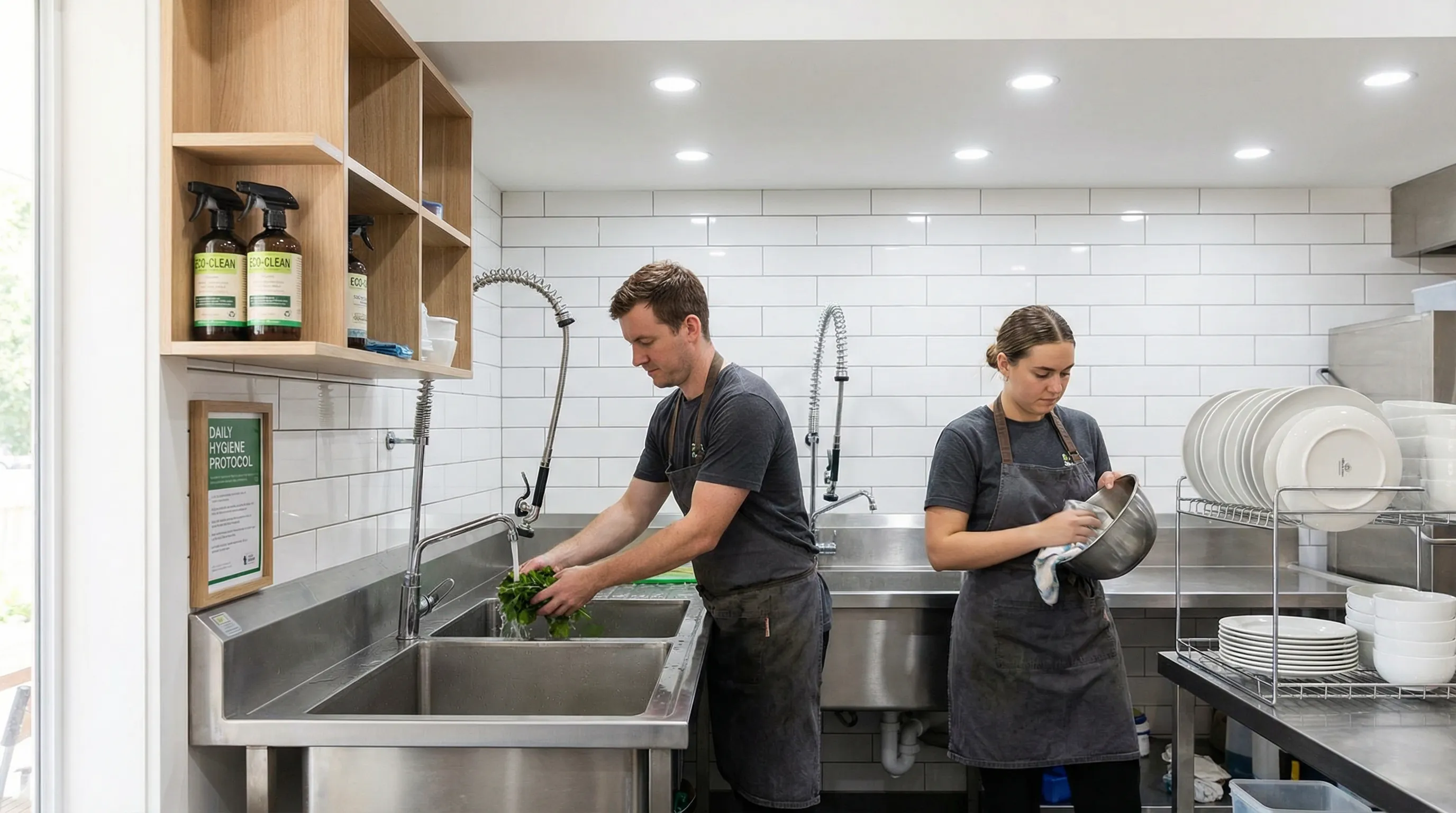
At the core of kitchen operations is the ongoing fight against contaminants, bacterial growth, mould, cross-contamination, and food residue all lead to unsafe conditions if not managed right. Sinks are a primary battlefield. Every day, staff rinse produce, thaw proteins, soak pans, and dispose of waste in this area. If the sink material holds moisture or forms tiny scratches, bacteria can multiply out of sight. Also, ongoing exposure to detergents and hot water can wear coating or paint, leaving surfaces even harder to keep clean.
In Queensland’s busy café culture, where health regulations are strictly enforced and environmental conditions are often warm and humid, the wrong sink material quickly leads to odours, rust, or biofilm. Owners depend on equipment that supports not just quick cleaning, but a consistent level of sanitation required to meet legal standards and customer expectations.
Key Hygienic Properties Of Stainless Steel Sinks
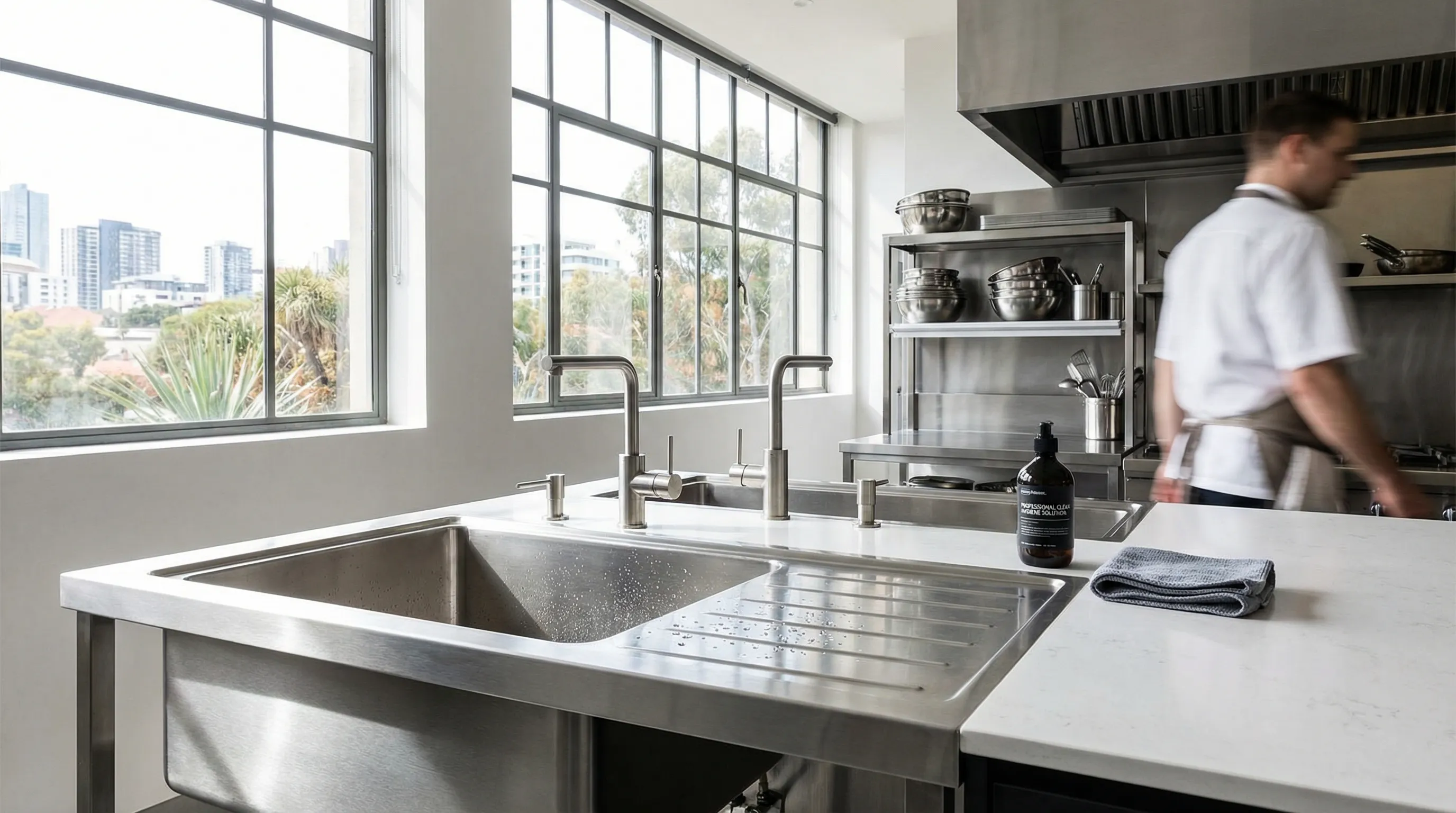
Stainless steel gets its name and protective properties from chromium, which forms a passive layer that naturally resists corrosion and bacterial buildup. Unlike porous surfaces such as ceramic or composite, stainless steel doesn’t absorb water or retain tiny food particles, this alone makes it a smart choice for commercial kitchens.
Key properties include:
- Non-porous Surface: Liquids remain on top, allowing easy removal without soaking in.
- Smooth, Hard Finish: There are minimal crevices for bacteria to hide.
- Temperature and Chemical Resistance: High heat and strong cleaning solutions won’t degrade quality. This allows effective disinfection between uses.
Products supplied by companies such as Cafe Solutions in Queensland meet the food industry requirements, offering sinks in grades like 304 and 316 for extra durability. These grades are deliberately chosen for their long-term resistance to corrosion, even with harsh or frequent cleaning.
How Stainless Steel Sinks Promote Safe Food Handling
Stainless steel sinks are purpose-made to help safe workflows. Commercial kitchens need to regularly separate raw and cooked foods, prevent cross-contact with allergens, and reduce risk from bits of leftover food or detergent. Stainless steel enables this because it’s so quick and effective to rinse and disinfect the surface between tasks.
For example, in many hospitality venues supplied by Cafe Solutions, you’ll find multi-bowl stainless steel sink benches. These let workers dedicate one compartment to raw foods, another to cooked foods, and a third to utensil washing. The seamless joinery means there’s nowhere for food debris to accumulate. Plus, stainless steel is recommended by the Food Standards Australia New Zealand (FSANZ) for surfaces in direct contact with food, underlining its role in safe, legal food operations.
Easy Cleaning And Maintenance Advantages
Ease of cleaning is one of the main reasons Queensland hospitality owners choose stainless steel sinks. No special detergents are required, hot soapy water, a soft cloth, and regular rinsing are usually sufficient. Because the surface is non-porous, most spills and residues wipe away without elbow grease.
Routine cleaning prevents limescale and smudges, but if more thorough sanitation is needed, stainless steel tolerates commercial-grade disinfectants and steam cleaning. This is ideal for busy kitchens that clean several times a day. Cafe Solutions often recommends stainless sinks for regional venues dealing with hard water, as they don’t stain or pit the way some composite sinks do.
Maintenance costs are also lower. There’s no paint to chip, no enamel to scratch off, and rust doesn’t appear if the sink is properly cared for.
Comparing Stainless Steel With Other Sink Materials
When selecting a kitchen sink, material choice has long-term health and financial implications. Here’s how stainless steel compares:
- Ceramic or Porcelain: These look stylish but are vulnerable to chipping and are harder to disinfect if the surface gets damaged. Tiny cracks or scratches can trap germs and eventually cause leaks or odours if water gets underneath.
- Granite Composite: Hardwearing and attractive, but typically more porous than stainless. Maintenance is higher, and harsh cleaning agents can dull the finish.
- Plastic or Acrylic: Cheaper but far less durable. Sensitive to heat and can quickly stain, which may create hygiene risks over time.
Stainless steel outscores these options in overall resilience, hygiene, and ease of cleaning. This explains why custom sinks from suppliers like Cafe Solutions are standard equipment in almost every Queensland café and commercial kitchen.
Long-Term Benefits For Households And Professional Kitchens
Stainless steel sinks remain a cost-effective investment over time. They rarely need replacement and withstand years of daily use with minimal maintenance, which is critical in both home kitchens and hospitality settings facing high turnover. For professional venues in places like Queensland, stainless steel stands up to the region’s humidity, resists corrosion, and reliably maintains a sanitary food preparation environment.
For home renovators, these sinks offer a balance of hygiene, affordability, and modern looks. Brands such as Cafe Solutions provide models that fit a range of budgets and kitchen sizes, making upgrades straightforward for growing food businesses. In both cases, the benefits include peace of mind around food safety, less cleaning time, and lower risk of failed health inspections.
Many hospitality owners in Queensland who choose stainless steel from suppliers like Cafe Solutions find that upkeep routines are simpler and that recurring repair costs drop, providing a solid return on investment in both financial and operational terms.
About Cafe Solutions
Business: Cafe Solutions
Spokesperson: Russell Crawford
Position: Spokesperson
Phone: (07) 3184 8441
Email: [email protected]
Location: 12 Kingsbury St, Brendale QLD 4500
Website: https://cafesolutions.com.au/
Frequently Asked Questions About Stainless Steel Sinks and Kitchen Hygiene
Why do stainless steel sinks improve kitchen hygiene?
Stainless steel sinks have non-porous, smooth surfaces that prevent bacteria, mould, and food residue from becoming trapped. This makes them much easier to clean and disinfect, ensuring safer food handling and reducing the risk of cross-contamination in both home and commercial kitchens.
How does a stainless steel sink help prevent cross-contamination?
By featuring seamless joinery and multiple bowls, stainless steel sinks allow users to dedicate separate areas for raw and cooked foods. Their easy-to-clean surfaces make it simple to rinse and disinfect between tasks, supporting safe workflows and minimising cross-contact with allergens.
Are stainless steel sinks better than ceramic or plastic for kitchen hygiene?
Yes, stainless steel sinks outperform ceramic, granite composite, and plastic alternatives in hygiene. They are more durable, non-porous, and resistant to chips and scratches where bacteria can hide. This makes them the preferred choice for both home and hospitality kitchens that prioritise safety.
What makes stainless steel sinks easy to maintain?
Stainless steel sinks require minimal maintenance: regular cleaning with hot soapy water or commercial-grade disinfectants is usually enough. They resist staining, pitting, and corrosion, especially in humid regions like Queensland, and do not need special detergents or treatments to stay clean.
Can stainless steel sinks withstand frequent cleaning and harsh chemicals?
Yes, stainless steel sinks are specifically designed to tolerate high temperatures, frequent washing, and strong cleaning chemicals. Their chemical resistance ensures durability and hygiene, making them ideal for busy commercial kitchens where strict sanitation routines are required.
What grade stainless steel is best for kitchen sinks in Australia?
Grades 304 and 316 stainless steel are commonly recommended in Australia, especially by suppliers like Cafe Solutions. These grades offer excellent durability, corrosion resistance, and are suitable for direct contact with food, meeting the requirements of Food Standards Australia New Zealand (FSANZ).